HEADLINE NEWS
Microsoft Signals Support for SIMs with Its NFC-Enabled Wallet for Windows Phone 8

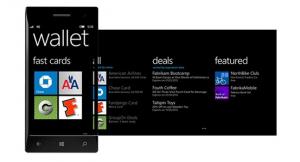
Microsoft has unveiled its NFC-enabled mobile wallet, as part of its planned Windows Phone 8 operating system, which the software giant introduced today at its Windows Phone Summit in San Francisco.
Microsoft had been expected to launch its own NFC-enabled wallet and its unveiling today confirms that Windows Phone will be the third major mobile platform to support a wallet, after Google’s Android-based NFC wallet and the recently announced Passbook wallet from Apple, which may or may not support NFC.
But unlike Google, Microsoft has made it clear it will support SIMs as the secure element to anchor payment and other secure applications in its wallet.

“Windows Phone 8’s new digital Wallet feature does two great things,” Joe Belfiore, manager of the Windows Phone program, said in a blog post. “It can keep debit and credit cards, coupons, boarding passes, and other important info right at your fingertips. And when paired with a secure SIM from your carrier, you can also pay for things with a tap of your phone at compatible checkout counters.”
France Telecom-Orange, among the most aggressive operators worldwide in rolling out NFC, said today it would use the Microsoft wallet on its Windows Phone 8 NFC devices in France.
And Microsoft said it is also working in the U.S. with the Isis joint venture for some type of launch on Windows smartphones next year, after Isis’ initial launch, according to Belfiore, who spoke today during a keynote presentation. Isis plans a two-city trial this summer of its Isis Wallet. Microsoft plans to ship Windows Phone 8 in the fall.
Belfiore during his presentation displayed images of a mock frequent flyer card from American Airlines and a sample payment card from JPMorgan Chase in the “Wallet,” along with an app from movie ticketing service Fandago and an offer from Groupon.
“This is going to be the most complete mobile-wallet experience,” he reportedly said.
Both Orange and Isis plan to use SIM cards as the secure element for their NFC rollouts, and Belfiore indicated Microsoft does not want to face the same problems as Google, which has seen its wallet either blocked or given the cold shoulder by telcos in the U.S. and Europe.
Microsoft today also talked about other uses for NFC, including tag reading and content sharing. Belfiore said Windows Phone users could share photos, Microsoft Office documents and contact information, probably with a peer-to-peer communication feature that is similar to Android Beam for Android NFC phones. Users also could share content by tapping their Windows smartphones on other devices, such as tablets and notebook computers that will support the forthcoming Windows 8 operating system for PCs.
Microsoft is supporting NFC natively in Windows 8 and has even released a touchmark symbol for use by manufacturers of PCs to put on the outside of their devices if they incorporate NFC chips.
Microsoft today also reportedly discussed NFC tag reading by Windows Phone devices, including enabling users to tap an NFC tag embedded in a magazine ad to launch a mobile Web site or to receive contact information by tapping a tag embedded in a business card.
None of this–the mobile wallet and tag reading capability for planned Windows Phone handsets or NFC-based P2P device pairing and content sharing among Windows-based devices–is new. As NFC Times reported several times last year, Microsoft has been working on an NFC wallet due out this year on Windows Phone 8 devices produced by Nokia and perhaps other handset makers. There were other reports in February, quoting Belfiore. And Microsoft last September confirmed support for NFC in the Windows 8 PC operating system.
Microsoft has been working on NFC technology for at least seven years and had a representative serving on the board of the NFC Forum between 2005 and this year. It since reduced its membership level to the nonvoting associate level.
But the unveiling today adds details to Microsoft’s plans for NFC, and it makes clear the software giant has no plans to go down the path of trying to control the wallet applications that Google has taken–a path Google could be ready to change as it embarks on a Google Wallet 2.0 strategy.