HEADLINE NEWS
No NFC in New iPhone–Apple Remains Major Holdout Among Device Makers

Apple, as expected, again passed on NFC technology for its new iPhone, with the tech giant offering few surprises–or significantly new features–today in unveiling the new version of its iconic smartphone.
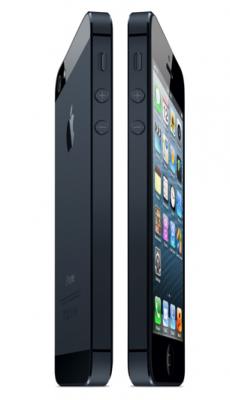
The iPhone 5’s screen will be larger, its profile thinner and its speed faster, with a new processor chip and 4G network technology. Apple’s iPods and iTunes music store also got a redesign and user-interface upgrades.
Apple’s snub of NFC means that the company, which will make its new iPhone available Sept. 21, will remain the only one of the top ten handset makers globally that will have not shipped an NFC-enabled device by the end of this year. That list is led by Samsung Electronics and includes Nokia with its new Windows Phone 8 handsets. But Apple is a conspicuous holdout.

As NFC Times first reported early last month and again yesterday, Apple was not expected to adopt NFC for the next iPhone, as it likely waits for the technology and infrastructure to develop further.
UPDATE: Apple senior vice president of worldwide marketing Philip Schiller reportedly told AllThingsD following the iPhone 5 unveiling that Apple's planned Passbook digital wallet “does the kinds of things customers need today.” The wallet uses 2-D bar codes to communicate with acceptance devices, when needed. The publication, apparently paraphrasing Schiller, added that he said it’s not clear NFC is the solution to any current problem. END UPDATE.
Contrary to rampant speculation in other tech publications and blogs that Apple would tap NFC technology to introduce mobile payment, the tech giant never gave off any clear signals of having grand designs on the payments business–which would offer much lower profit margins and much greater regulation than Apple is accustomed to.
Apple would be more likely to want to use NFC to enable users to easily pair their Apple devices and share content. This would require lots more NFC chips, for a range of Apple devices, from iPods to Mac computers, however.
And it also would require a lot of software integration, as Mark Hung, director of wireless research for U.S.-based research firm Gartner told NFC Times earlier this week.
“To enable the type of seamless UI (user interface) that Apple users are accustomed to, there’s an extensive amount of software that needs to be developed across all of the Apple platforms–iPhone, iPad, iPod, Mac, Apple TV–not just on the handset,” he said. “Given the spotty launch that happened with iCloud last year, I believe a major portion of the resources that would’ve been available to work on NFC were dedicated to that project instead.”
UPDATE: For now, Apple has Bluetooth 4.0 and music-streaming technology AirPlay to link up devices and doesn't feel it needs NFC, said John Devlin, UK-based practice director for security and ID at U.S.-based ABI Research.
“I think that Apple simply does not see NFC as compelling–at this time,” he told NFC Times. “It is all about selling as many devices as possible, and it cannot believe that NFC will help it to do that. Instead it has focused on making the new iPhone slimmer and 'shinier.'”
He said he believes the infrastructure and business case for NFC-based payment is too unsettled for Apple to be interested in enabling contactless payments from its devices now. END UPDATE.
Apple’s Scott Forstall, senior vice president of iPhone software, spent little time during today’s presentation recapping Apple’s Passbook digital wallet, which he introduced at length in June when Apple unveiled its iOS 6 operating system. The new iPhone 5 will run iOS 6, which will be released next week.
Passbook will store boarding passes, movie tickets, retail coupons, loyalty cards and more, including store cards. Forstall’s few screen shots of the wallet during today’s presentation, as in June, continued to show the cards and passes using QR codes to link the phone and acceptance devices.
UPDATE: With other major and some minor phone and device makers having adopted NFC on many of their units, Apple deciding to pass on the technology again this year might benefit the ecosystem in a way, said ABI's Devlin. “It (Apple) has a history of stitching up the market, and this will keep it more open,” he said. “As a result, I think we will see more innovation rather than companies simply following suit.”
Still, Apple’s decision to pass on NFC again this year is expected to cause some investors and backers to question the future of the technology–though it hasn't hurt the share prices for such companies as chip maker NXP Semiconductors and smart card and trusted service manager Gemalto, which could be considered bellwethers for NFC. Both companies' shares have traded up since Apple's announcement. END UPDATE.
In any case, Apple's decision to forego NFC it is not expected to derail NFC rollouts and major trials, which continue to gear up.
The Isis joint venture is expected to announce news of its overdue two-city trial in the U.S. as early as this week. Google continues to use NFC–for its recently announced cloud-based Google Wallet 2.0–and the new MCX wallet from big U.S. merchants is also expected to use NFC. Meanwhile, a number of major mobile operators in North America, Europe and Asia plan commercial launches by 2013.
“There is little impact because the (NFC) train has left the station,” said one NFC vendor this week in responding to the likely absence of the technology in the next iPhone.
But while most observers expect Apple to climb onboard next year, until it does, it will be difficult for service providers to cover all of their customers with NFC rollouts.