HEADLINE NEWS

Taxis in Major U.S. Cities to Get NFC-Enabled Video Ads

Riders in 5,000 taxicabs in the U.S. would be able to tap on NFC tags on video advertising screens to download apps, brand information, coupons, maps, music and videos, according to technology suppliers that have equipped the taxis for potential advertising campaigns.

Analyst: Banks Have More to Fear from Cloud-Based Technologies Than NFC

Banks have much more to fear from cloud-based mobile payment than from NFC, even if mobile operators control the secure elements that hold the banks’ payment applications.

GSMA Proposes Global Standard for NFC-Enabled Loyalty and Couponing–Using SIM Cards

May 10 2013 (All day)

The GSMA mobile operator trade group is proposing a global standard for how point-of-sale terminals talk to NFC-enabled mobile wallets to enable consumers to redeem coupons and rewards.

Taiwanese Bank Gets Approval for NFC-Enabled Credit Cards; Okay for Other Banks Expected

Taiwanese banking regulators, as expected, have approved the first bank to issue mobile credit cards that could be downloaded over the air to SIM cards.

UK Retailer Marks & Spencer Sees Growing Use of Contactless

Marks & Spencer, one of the UK’s largest retailers, announced today it had rolled out contactless payment to 644 of its UK stores and said 14% of its card transactions under £20 (US$30.97) are contactless.

Identive Reports Growing NFC Business; Blames Flat Sales, Losses, on U.S. Budget Cuts

U.S.-based Identive Group reported growing NFC and smart card reader business, but fell back into the red during for the first quarter, a loss it largely blamed on U.S. federal government budget cuts.

German Bank and Telco Hold Small NFC Trial; Larger Launches Planned in Country This Year

As Germany gears up for NFC, German bank Dortmunder Volksbank along with Telefónica (O2) Germany have launched a small pilot putting a credit application onto SIM cards in Western Germany.

Cashless Technology Company Announces Rollout of Isis SmartTap on Vending Machines

Vending technology company USA Technologies plans to integrate the SmartTap mobile-commerce software into all of the company’s nearly 100,000 NFC-enabled terminals on vending machines nationwide.

Vendor Group: NFC Secure Element Market to Grow by Two-Thirds This Year

Smart card vendor association Eurosmart has substantially increased its estimate for NFC secure element shipments for 2012–by 50% to 150 million units–and forecasts that secure element shipments will grow by another 67% in 2013 to 250 million units.

Gemalto Reveals Some Details of MCX Deal; Vendor Will Earn Fees for Transactions

France-based smart card and security vendor Gemalto will operate the mobile-payment platform for U.S. merchant group MCX, earning a fee for every transaction, in addition to what appears to be a hosting fee it says is worth tens of millions.

Inside Reports NFC Revenue Down Sharply in First Quarter; Some Recovery Expected in Q2

France-based chip supplier Inside Secure today reported a sharp decline in its revenue in the first quarter from its NFC chips, blaming the situation on excess inventories of NFC chips on hand by its main customer BlackBerry.

Australian Supermarket Chain Sees Fast Take-Up of Contactless Payment

More than half of credit card transactions at Australian supermarket chain Coles are contactless, and the merchant hit the milestone just over six months after rolling out contactless terminals across its more than 700 supermarkets.

NFC Smartphone Chip Shipments in 2012 Surge Past Projections

NXP Semiconductors shipped 125 million NFC chips in 2012 for smartphones and tablets, the chip maker told NFC Times, beating projections for the NFC device market.

NXP estimated competing chip makers shipped another 25 million NFC chips for smartphones and tablets in 2012. If true, the combined chip shipments would translate into shipments of about 150 million NFC-enabled smartphones and tablets for 2012 and represent more than 15% of total smartphone shipments estimated for the year.

Previous projections from analysts had placed NFC smartphone shipments at around 100 million for 2012 from all suppliers. The total NFC device market in 2011, its first significant year, was about 40 million smartphones.
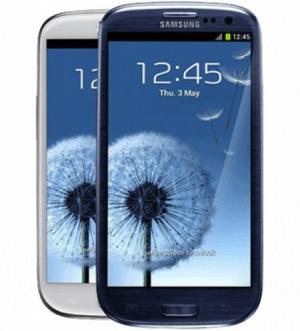
“Those (smartphone) markets grew more quickly than we expected, subsequently the number of NFC devices were also up,” John Devlin UK-based practice director for security and ID at U.S.-based ABI Research, told NFC Times. “NFC inclusion by a number of manufacturers, most notably Samsung, was above what we originally expected at the beginning of the year.”

The firm had projected shipments of 102 million NFC phones for 2012, a forecast it had raised in the fall, up from an earlier projection of 80 million phones. The 100 million projection represented the rough consensus of analyst opinion in general. Devlin believes the true shipment figure for 2012 will be closer to 135 million than 150 million NFC-enabled phones and tablets. 

ABI will probably raise its forecast of 250 million NFC-enabled phones and tablets for 2013 by 15% to 25%, he added.

NXP dominated the market for NFC chips in 2012, fueled by its supply of NFC technology to Android device makers, especially Samsung Electronics. Samsung in mid-January announced it had shipped more than 40 million Galaxy S III smartphones, nearly all of them during the second half of 2012. All carried NFC chips from NXP, stacked with the chip maker’s embedded secure element.

NXP also said it increased its design wins for NFC devices to 250 models, up from around 200 design wins the Netherlands-based semiconductor supplier had announced at the end of the third quarter.

Of the 250 models, 180 are in production, said NXP. Among recently unveiled devices are new flagship phones from HTC, the One; and Sony, the Xperia Z. Both carry NXP’s PN65 chip, the NFC controller stacked with an embedded secure element, said NXP, which was showing the phones at the Mobile World Congress in Barcelona last week.

Taiwan-based device maker Acer also introduced its flagship Liquid E1, last month, which only has the NFC controller from NXP, not an embedded chip, Acer told NFC Times.

The 180 NFC devices in production compares with a little more than 100 that had been in production when NXP released its design-win figure of 200 in October.

More Competition Ahead
But NXP will see more competition this year from such major smartphone chip suppliers as Broadcom, Qualcomm and MediaTek.

Broadcom already began shipping its standalone NFC controller, the BCM20793, in 2012 for two Nexus devices from Google–the Nexus 4 smartphone, which is manufactured for Google by LG Electronics; and Nexus 10 tablet, made for Google by Samsung. Google released both devices in November and included embedded chips supplied by STMicroelectronics with a chip operating system from France-based Oberthur Technologies.

The Broadcom chip is also part of recently announced Android Galaxy smartphones from Samsung, the upgraded version of the Samsung Galaxy Grand, and NFC versions of the Galaxy S II Plus and Galaxy Fame. Nintendo also put the Broadcom chip in its Wii U GamePad.

Besides NXP and Broadcom, France-based Inside Secure shipped NFC chips for global phone markets in 2012. But Inside saw NFC revenue fall along with the fortunes of the major customer for its chips, Research In Motion.

BlackBerry, formerly known as Research In Motion, shipped a total of 34.2 million devices in 2012, according to U.S.-based research firm Gartner, down from 51.5 million in 2011.

But NFC was only available in about six or seven models in 2012, all or most of which were released in 2011. Inside also supplied NFC chips for Nokia’s first NFC-enabled Windows Phone, the Lumia 610, last year, but revenue was not significant, according to the vendor. NXP got the contract to supply NFC technology for Nokia’s Windows Phone 8 devices.

Inside didn’t release its 2012 NFC chip volume shipments in its year-end earnings report Wednesday or conference call with financial analysts Thursday. It reported sales of $43.3 million for its mobile NFC business unit, down by 10% from 2011.

Inside had said it shipped about 17 million NFC chips in 2011.

Broadcom also declined to release its NFC chip shipments for 2012, but the total would have been relatively small.

Based in part on supply problems, Google only sold fewer than 400,000 of the Nexus 4s, according to the XDA Developers site, whose forum members used serial numbers on the devices to calculate sales. There were no reliable estimates released for shipments of the 10-inch Nexus 10 tablet last year.

It’s not clear whether Broadcom shipped any of the NFC chips for the three Samsung Galaxy devices during 2012.

Broadcom president and CEO Scott McGregor told financial analysts in January, following release of the chip maker’s Q4 and year-end earnings report, that Broadcom had more than 20 customers for its NFC chips and predicted the company would “gain meaningful double-digit market share in NFC this year.”

Google also incorporated an NFC software stack from Broadcom in the latest version of its Android operating system, 4.2, the second version of Jelly Bean, a move announced by Broadcom in November. NXP had provided the stack before.

While other chip makers, such as NXP, could supply NFC chips to work with the Broadcom stack, it remains to be seen which chip the devices running 4.2 will use, including the forthcoming Galaxy S4 from Samsung.

Broadcom in December unveiled a second NFC chip, which will be incorporated in a quad-combo wireless chip, combining NFC with Wi-Fi, Bluetooth and FM radio. Broadcom is the largest supplier of short-range wireless chips to smartphone makers. McGregor predicted that the combo chip would be included in mobile handsets that ship this summer.

“The confidence is coming from a fairly large number of customers that we’re working with, who have designed our products into their products, and we expect to ramp over the course of the year,” McGregor said, responding to a question from an analyst during a conference call in January. “We’ve also partnered with Google and are working with them closely on NFC on the Google Wallet and other products.”

Steve Owen, senior vice president of global sales for NXP’s Identification division, which includes NXP’s NFC chips, noted that Google often changes technology vendors to avoid becoming too dependent on particular suppliers. And he acknowledged that device makers are also looking for more choice of suppliers as the NFC market expands.

But he contends that Google stayed with NXP NFC technology for “five generation of products,” apparently referring to previous versions of Android–much longer than expected. And he noted that NXP continues to get design wins for the latest Android smartphones, despite the increased competition.

“They’re (Broadcom) very, very good at marketing; they’re very good at PR, and they’ve aggressively announced they’re entering a market,” Owen told NFC Times. “They’re a very good company. But we are working with all the OEMs (device makers) in the marketplace today.”

In response, a Broadcom spokeswoman noted the announcement of adoption by Google of the Broadcom NFC stack for Android was only made in November.

“You’ll continue to see Broadcom NFC technology in Android-based phones as new products with Jelly Bean 4.2 OS are shipped this year,” she told NFC Times.

Other large suppliers of processor and short-range wireless chips to smartphone makers plan to get into the NFC market this year with standalone NFC chips integrated with their processors.

Qualcomm, the largest supplier of smartphone processors said in December it could begin shipping a standalone NFC chip in volume to device makers by the third quarter of 2013.

Taiwan-based MediaTek, which ranked in the top three processor chip makers for smartphones last year, predicted it would begin shipping its NFC chip commercially in the second quarter.