HEADLINE NEWS

Orange Group NFC Veteran Barnaud Departs for Wallet Vendor C-SAM

U.S.-based mobile-wallet provider C-SAM has hired Vincent Barnaud, the long-serving contactless services head at France Telecom-Orange group.

Telco and Bank in Brazil to Launch NFC Pilot; Rollout to Follow

Mobile operator TIM Brasil and Banco Bradesco have disclosed plans for an NFC trial that they say would enable users to pay for purchases at contactless point-of-sale terminals by tapping their Motorola or LG Electronics NFC phones, with the funds deducted from their debit accounts.

Taiwanese Telco and Banks Announce Plans for NFC-Payment Projects

May 29 2013 (All day)

Taiwan’s largest mobile operator, Chunghwa Telecom, and four banks announced plans today to launch NFC mobile payment, likely starting with Cathay United Bank and a six-month pilot.

Isis Gears Up for National Launch Despite Challenges Ahead

The Isis joint venture continues to gear up for a nationwide launch of its NFC-enabled Isis Mobile Wallet this year and has been in discussions with major U.S. banks along with merchants, NFC Times has learned.

MasterCard Prepares to Offer PayPass on Embedded Chips in Samsung NFC Phones

MasterCard Worldwide is the latest payment scheme to work with Samsung Electronics, with plans to soon offer its PayPass application for embedded chips in new Samsung NFC phones, NFC Times has learned.

UK Taxis Get NFC Tags for Promo Campaign; NFC Dynamic Screens to Play at French Sporting Event

Samsung Electronics, along with Australia-based NFC marketing firm Tapit, UK-based out-of-home advertising company Chiel and terminal vendor VeriFone are rolling out NFC stickers to 80 taxis in the UK, as part of a promotional campaign for musician Robbie Williams’ upcoming Samsung-sponsored tour.

Visa Europe: Contactless Transactions to Continue to Grow Rapidly in 2013

Consumers in Europe did 19 million transactions with Visa-branded contactless bank cards in March, up by nearly 50% from December, announced Visa Europe Tuesday, which predicts monthly transactions will increase to 52 million by the end of 2013.

OTI to Supply Contactless and NFC Readers for Gasoline Stations in North America

Israel-based contactless and NFC vendor On Track Innovations announced Monday it had received an order for 30,000 readers for point-of-sale terminals at retail gasoline stations in North America.

Taxis in Major U.S. Cities to Get NFC-Enabled Video Ads

Riders in 5,000 taxicabs in the U.S. would be able to tap on NFC tags on video advertising screens to download apps, brand information, coupons, maps, music and videos, according to technology suppliers that have equipped the taxis for potential advertising campaigns.

Royal Bank of Canada and Bell Mobility Announce Plans for NFC Launch

May 14 2013 (All day)

Canada’s largest bank and one of its three major mobile operators have announced plans to commercially launch NFC payments by the end of the year, following a trial this summer.

Analyst: Banks Have More to Fear from Cloud-Based Technologies Than NFC

Banks have much more to fear from cloud-based mobile payment than from NFC, even if mobile operators control the secure elements that hold the banks’ payment applications.

GSMA Proposes Global Standard for NFC-Enabled Loyalty and Couponing–Using SIM Cards

May 10 2013 (All day)

The GSMA mobile operator trade group is proposing a global standard for how point-of-sale terminals talk to NFC-enabled mobile wallets to enable consumers to redeem coupons and rewards.

Dutch Telcos, Banks Delay NFC Launch Until 2013; T-Mobile Drops Out of Project

Major mobile operators and banks in the Netherlands say they plan to launch their NFC mobile-payment project in early 2013 as they await approval from European regulators for their planned joint venture.

That is later than the earlier announced 2012 launch date, and the initiative is to roll out without one of the six major parties that had been involved, T-Mobile Netherlands, which says it has doubts about the return on investment for the project.

Major Dutch operators KPN and Vodafone Netherlands, as well as banks, ABN Amro, ING and Rabobank, say they remain committed to the project.

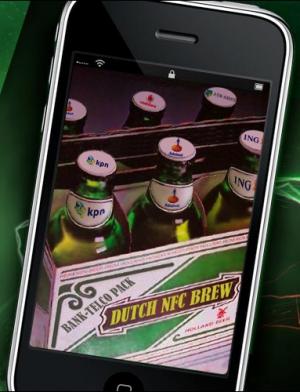
A representative of the Dutch consortium said commercial considerations had nothing to do with the decision to launch the NFC payment services in early 2013, rather than in 2012. Nor did NFC phone availability, the state of the point-of-sale acceptance infrastructure in the Netherlands or other NFC ecosystem issues, C.M.W. Onderwater, a member of the program office for the initiative, known as “Sixpack,” told NFC Times.

Instead, the group said it does not expect to gain approval from European antitrust regulators for the initiative and planned joint venture until the first quarter of 2012. But the group remains confident it will get the green light for the project.

“It’s a very complex subject, competition law; and it’s a new market,” Onderwater said. “There’s not very much experience in this–nobody had a clear understanding or expectation of the time lines, also not the authorities themselves.”

A spokeswoman for the European Commission’s Competition Directorate General, which will have to give its blessing for the project to go forward, declined to comment.

The decision by the antitrust regulators in Brussels will be keenly watched in other European countries, where telcos have announced plans for their own joint ventures to roll out NFC services, including those in Germany, the United Kingdom, Denmark, Hungary and most recently, Sweden.

Most of these proposed joint ventures do not involve other big service providers, such as banks. In the case of the Netherlands, the consortium partners represented roughly 90% of both the banking and telecom markets.

Regulatory Issues Remain Key
The banks and telcos might have thought earlier that the project could go forward only with the approval of local regulators. They notified the Dutch Competition Authority, or NMa, early on. But in an announcement today, the group said it would now go to the European Commission for approval, after signing a "cooperation agreement" signaling their commitment to go forward with the mobile-payment project.

The size of the banks and telcos or telco groups involved requires approval from Brussels, even if the parties don’t plan to offer the NFC services outside of the Netherlands, Onderwater said.

A spokeswoman for the NMa last month told NFC Times that regulators would make sure the joint venture follows “European standards” for openness and accessibility to outside participants.

“As other providers are able to participate in the joint venture, too, the benefits of this collaborative effort may outweigh any potential anticompetitive effects,” said the spokeswoman in a statement. “As a result, customers, both businesses and individuals, will be able to benefit from this innovation. However, it is crucial that banks and telecom providers participating in the joint venture continue to compete with each another for customers on an individual basis.”

Among specific issues that regulators will examine are plans by the Dutch group to appoint a centralized trusted service manager to handle all downloads and management of payment and probably other secure applications on NFC-enabled SIM cards the telcos will issue to consumers.

ROI Doubts Deter T-Mobile
Meanwhile, T-Mobile Netherlands early this month decided to drop out of the project, said a spokesman.

“T-Mobile finds the expected revenues too unsure in regard to the necessary investments,” he told NFC Times.

T-Mobile is part of the Germany-based Deutsche Telekom group, which earlier this year announced its own NFC mobile-wallet plans for its flagship German operator, as well as branches in Poland, the Netherlands and the Czech Republic.

Deutsche Telekom is also part of the planned mpass joint venture in Germany with the Vodafone and Telefónica branches there. The three telcos plan to introduce their own payment scheme, along with other payment and related applications.

Deutsche Telekom had said it planned to launch the NFC mobile wallet services in 2011 in Germany and Poland, projects that have since been delayed. The telco group also said it would launch NFC in 2012 with T-Mobile branches in the Netherlands and Czech Republic, but those projects, too, might be delayed.

In the Netherlands, it's possible T-Mobile could offer the Sixpack service without being a shareholder in the joint venture. It's unclear yet what T-Mobile Plans to do.

“The way in which T-Mobile will bring these services to the market will be determined at a later stage,” T-Mobile Netherlands said in a statement. But it also said that interest remains high for NFC. “Deutsche Telekom and T-Mobile Netherlands believe in the future of mobile payment. The future NFC ecosystem offers high added value for both consumers and business customers.”

The T-Mobile Netherlands spokesman told NFC Times that the telco's parent's mobile wallet plans was not a factor in the decision to drop out of the Dutch NFC payment group.

Among the challenges for the remaining members of the Sixpack project is the almost complete lack of an infrastructure of contactless terminals at the point of sale in the Netherlands. If the consortium plans to help fund the cost of the rollout of contactless POS terminals for Dutch merchants, this would have been one of the major investment costs T-Mobile weighed in determining the project's profitability. Among other hardware costs, NFC-enabled SIMs are substantially higher than conventional SIMs.

The parties have only said they would launch mobile payment, not other major applications, though they have suggested that the Netherlands’ national contactless transit ticketing service that is rolling out would one day find its way into the NFC phones. That’s in addition to possible loyalty programs and other nonsecure applications.

Despite the withdrawal of T-Mobile, the five remaining group members plan to continue to call the initiative Sixpack, sometimes written as Six Pack, a reference to the beer-brewing tradition in the Netherlands that includes the well-known Heineken brand.

The consortium itself calls itself Travik, but that will not necessarily be the name of the joint venture, when it is formed, said Onderwater.