HEADLINE NEWS
France’s No. 2 Telco SFR to Delve into Payments Market, Roll out NFC SIMs

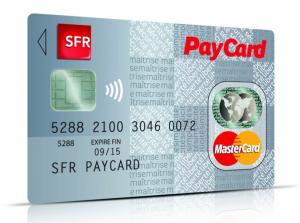
France’s No. 2 mobile operator SFR is the latest telco with plans to get into the payments market, today announcing it would roll out a contactless co-branded prepaid card with the help of MasterCard Worldwide, with the intention of expanding the service to NFC phones.
SFR and MasterCard today said they signed their partnership agreement in July to jointly develop contactless card and NFC payment services.
The first part of the deal will yield the co-branded prepaid card, called SFR PayCard, which the telco plans to launch next month.

The card will support MasterCard’s contactless application, PayPass, enabling users to pay for purchases of up to €20 (US$25.86) by tapping the card on contactless point-of-sale terminals. For higher-value purchases, users would insert the EMV card into the POS terminals and enter a PIN. Major French retailers are rolling out contactless acceptance points.
SFR and MasterCard, in their joint announcement today in French didn’t say when SFR planned to put the prepaid application onto NFC SIMs.
But SFR also announced today it would start issuing NFC SIM cards generally to its postpaid customers at the beginning of 2013. That follows No. 1 French telco France Telecom-Orange, which said it has recently launched a roll out of NFC SIMs to subscribers to try to seed the market in advance of the deployment of NFC services.
Both telcos had planned to launch their NFC SIM rollouts earlier. They have been hit hard by competing low-cost mobile offers in France, though, at least according to Orange, that hasn't delayed the NFC SIM rollout.
European Telcos Move into Payments
Today’s announcement makes SFR the latest European telco to disclose plans for launching its own mobile-payments service on NFC phones, in partnership with a major payment scheme.
It follows deals announced by such major telecom groups as UK-based Vodafone, Spain-based Telefónica and Germany’s Deutsche Telekom, as well as No. 1 UK telco Everything Everywhere, to roll out co-branded payment.
Vodafone and Telefónica aligned with Visa Europe, while Deutsche Telekom and Everything Everywhere signed on with MasterCard. Vodafone Italy is not in the Visa deal and also plans to launch payment with MasterCard PayPass.
The telcos would either issue their own payment applications, such as Deutsche Telekom and Telefónica’s UK branch plan to do with their own e-money licenses, or use a small issuer, which is apparently what SFR has in mind, with Germany-based prepaid card program manager, issuer and processor Wirecard Bank. Wirecard is also working with Deutsche Telekom, though not for actually issuing that telco’s planned PayPass cards and NFC applications.
The telcos say they are getting into the payments market both to burnish their brands and reduce churn, as well as to earn revenue from merchant transaction fees and related income.
Besides NFC applications, the partnership deals usually also call for the telcos to launch co-branded cards and to enable online purchases, peer-to-peer money transfers and loyalty rewards.
There are a few telcos that say they also plan to introduce their own domestic payment brands with NFC phones that would compete with Visa and MasterCard, such as those in Germany, Austria and in one or more Scandinavian countries. But these initiatives face a number of challenges, especially persuading enough merchants to accept the new payment brands.
SFR said its SFR PayCard will be the first reloadable contactless card in France. Cardholders, who will not need to be SFR customers, will be able to reload the cards by credit card or bank transfer and can make ATM withdrawals. Users will pay an annual fee of €14.90 for the card and can get purchase alerts via SMS.
SFR cited an online survey conducted for retail and banking equipment supplier Wincor Nixdorf at the end of 2011 that found 45% of French consumers said they would like a prepaid rechargeable card and 42% would like a contactless payment card.
SFR is 100% owned by French media group Vivendi, following Vodafone's divestiture of its 44% share in the telco last year.