HEADLINE NEWS

Contactless Rollout at Starbucks UK Part of Wider Trend for Take-Up of Technology

The UK continues to expand its rollout of contactless, with Starbucks completing its deployment of contactless point-of-sale terminals at 550 coffee shops nationwide.

Orange Group NFC Veteran Barnaud Departs for Wallet Vendor C-SAM

U.S.-based mobile-wallet provider C-SAM has hired Vincent Barnaud, the long-serving contactless services head at France Telecom-Orange group.

Telco and Bank in Brazil to Launch NFC Pilot; Rollout to Follow

Mobile operator TIM Brasil and Banco Bradesco have disclosed plans for an NFC trial that they say would enable users to pay for purchases at contactless point-of-sale terminals by tapping their Motorola or LG Electronics NFC phones, with the funds deducted from their debit accounts.

Russian Issuer to Launch NFC Payment on Embedded Chips in HTC, Philips Phones

A Russian mobile wallet and services provider is turning to embedded secure elements in a trio of Android smartphones to launch a MasterCard PayPass application in Russia this summer.

Taiwanese Telco and Banks Announce Plans for NFC-Payment Projects

May 29 2013 (All day)

Taiwan’s largest mobile operator, Chunghwa Telecom, and four banks announced plans today to launch NFC mobile payment, likely starting with Cathay United Bank and a six-month pilot.

Isis Gears Up for National Launch Despite Challenges Ahead

The Isis joint venture continues to gear up for a nationwide launch of its NFC-enabled Isis Mobile Wallet this year and has been in discussions with major U.S. banks along with merchants, NFC Times has learned.

MasterCard Prepares to Offer PayPass on Embedded Chips in Samsung NFC Phones

MasterCard Worldwide is the latest payment scheme to work with Samsung Electronics, with plans to soon offer its PayPass application for embedded chips in new Samsung NFC phones, NFC Times has learned.

UK Taxis Get NFC Tags for Promo Campaign; NFC Dynamic Screens to Play at French Sporting Event

Samsung Electronics, along with Australia-based NFC marketing firm Tapit, UK-based out-of-home advertising company Chiel and terminal vendor VeriFone are rolling out NFC stickers to 80 taxis in the UK, as part of a promotional campaign for musician Robbie Williams’ upcoming Samsung-sponsored tour.

Visa Europe: Contactless Transactions to Continue to Grow Rapidly in 2013

Consumers in Europe did 19 million transactions with Visa-branded contactless bank cards in March, up by nearly 50% from December, announced Visa Europe Tuesday, which predicts monthly transactions will increase to 52 million by the end of 2013.

OTI to Supply Contactless and NFC Readers for Gasoline Stations in North America

Israel-based contactless and NFC vendor On Track Innovations announced Monday it had received an order for 30,000 readers for point-of-sale terminals at retail gasoline stations in North America.

Taxis in Major U.S. Cities to Get NFC-Enabled Video Ads

Riders in 5,000 taxicabs in the U.S. would be able to tap on NFC tags on video advertising screens to download apps, brand information, coupons, maps, music and videos, according to technology suppliers that have equipped the taxis for potential advertising campaigns.

Royal Bank of Canada and Bell Mobility Announce Plans for NFC Launch

May 14 2013 (All day)

Canada’s largest bank and one of its three major mobile operators have announced plans to commercially launch NFC payments by the end of the year, following a trial this summer.

South Korea Takes Lead Globally in NFC Rollouts with Millions of Phones and SIMs

By: 
Dan Balaban

While mobile operators in most other countries are still struggling to roll out even scant volumes of NFC phones that can do payment, ticketing and other applications, South Korea’s telcos have already crossed the 5 million-phone mark–including NFC versions of such high-profile devices as the Samsung Galaxy S II and Galaxy Note.

The country’s two largest operators, SK Telecom and KT, have sold a combined 3.3 million Galaxy S IIs and a total 1 million Vega Racers, another powerful Android phone from South Korea-based Pantech, KT and SK Telecom told NFC Times.

And NFC Times has learned that Samsung has been shipping its new smartphone-tablet hybrid, the Galaxy Note, to Korea’s major mobile operators with an NFC chip inside for nearly a month.

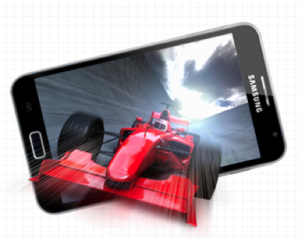
Sales have been brisk, with 250,000 units of the Note sold in less than a month, in December, said a source with the telcos. As with the Galaxy S II, Samsung’s flagship smartphone, the large-screen Note comes with both NFC and non-NFC versions. And South Korean operators are the first to get the devices packing NFC chips.

It’s too soon to get a firm read on how well Korean consumers are taking to NFC, but they are tapping their phones to pay transit fares, as they did with an earlier contactless-mobile technology rolled out in South Korea.

One thing South Korea is apparently providing is a proving ground for large Korea-based handset makers, such as Samsung, to roll out NFC versions of popular models.

KT began selling an NFC-enabled Galaxy S II last April, at least six months before the first NFC versions of the popular phone went on sale in Europe. European telcos are now selling the Galaxy Note, but not with NFC inside. And while U.S. carrier AT&T has been rumored to be getting the NFC-version of the Note early this year, the unveiling of the device bound for the carrier at this week’s Consumer Electronics Show in Las Vegas did not mention NFC.

South Korea’s third major mobile operator, LG U+ is also rolling out NFC phones, and has sold about 500,000 of the LG Optimus, made by LG Electronics, said a source. LG Electronics, like Samsung and Pantech, is based in South Korea.

Among other NFC phones sold in South Korea are the Sky Vega, from Pantech and reportedly some BlackBerry Bolds and the Nexus S from Samsung. Some of the NFC phones sold in South Korea support LTE 4G network technology. Korean telcos plan broad rollouts of LTE and most of those new phones are expected to support NFC.

“Fortunately, mobile handset manufacturers like Samsung, Pantech and LG in Korea are more interested in NFC now,” KT’s Eun-Seok Kim told NFC Times.

KT also has sold about 8,000 NFC-enabled attachments, called iCarte, for the iPhone 4 and 4S, since launching the add-on in September, Kim said. The attachment, which contains NFC and embedded secure chips, is made by Canada-based Wireless Dynamics.

Rollout of Standard NFC SIMs
But the Korean telcos store nearly all of the secure NFC services on standard NFC USIMs in full NFC phones. No. 2 Korean mobile operator KT, which launched what is believed to be the first commercial NFC rollout globally in October 2010, has distributed 2.2 million standard NFC-enabled SIM cards, the telco said. That’s about one-seventh of its subscriber base. The SIMs support the single-wire protocol connection between the NFC chip and SIM slot.

A source at SK Telecom, the largest operator in South Korea with more than 26 million subscribers, told NFC Times the telco has issued 1.5 million standard NFC SIMs since launching NFC around the middle of last year. The carrier has more than 4 million subscribers for its Smart Wallet, but most still use combi-SIM cards, a proprietary contactless-mobile technology SK Telecom has rolled out. The cards contain a dual-interface chip, with the contactless part hooking into an antenna on specially equipped phones. There are also users of noncontactless Smart Wallet applications.

South Korea-based SIM supplier KEBTechnology told NFC Times that it is supplying 1.2 million NFC-enabled USIMs to No. 3 telco LG U+. KEBT is also the major supplier to KT for its SIMs. NFC Times has learned the SIMs are selling for US$3 or less apiece, which is much more expensive than conventional SIMs but significantly less than NFC-enabled SIM prices in the West.

The figures for NFC-enabled phones and SIMs make South Korea the largest rollout of standard NFC to date–far ahead of early commercial launches in the United Kingdom with the Quick Tap NFC-payment service by Orange UK and Barclaycard; Turkcell’s mobile wallet service, Cep-T Cüzdan, in Turkey; and the Google Wallet in the United States.

While Japan has many more contactless-mobile phones in circulation, with more than 60 million, all support proprietary FeliCa technology from Sony Corp., and are not interoperable with standard NFC phones or contactless readers.

Japanese telcos are planning to move to standard NFC later this year with hybrid NFC-FeliCa phones. They have set up NFC roaming agreements with their counterparts in South Korea.

Tapping for Fares
There are indications that Korean subscribers are starting to use NFC services offered by the telcos, as well, though mainly for transit ticketing and related applications.

KT told NFC Times that 510,000 of its subscribers have signed up for prepaid transit payment on buses, subway trains and taxis, using the popular T-money fare-collection system. Of those, about 80,000 of the subscribers are “active,” that is, tapping their NFC phones to pay fares at least once a month. KT calls the prepaid transit service Cashbee. The transit e-purse also can be used for retail purchases at participating merchant locations.

KT in a recent announcement said that subscribers used the NFC prepaid transit service 30 million times in 2011 worth 11 billion Korean won (US$9.5 million).

KT also has rolled out 12,000 smart posters at bus stops throughout Seoul and the surrounding region. The posters support both NFC tags and 2-D bar codes.

The telco plans to expand the transit-payment service later this year to postpaid fare collection, with customers able to use their credit card applications on their NFC phones to pay fares.

Telcos Seek Revenue from Payment
Korean subscribers also can use their NFC phones for retail payment with MasterCard PayPass and Visa payWave applications on at least 130,000 contactless POS terminals. Some estimates place the number of contactless terminals at 200,000 or more in South Korea. But as with the nonstandard combi-SIM phones, use of the terminals by consumers is believed to be low.

Both KT and SK Telecom, however, believe NFC-based mobile payment will eventually take off, and they have bet a significant part of their revenue model for NFC on it.

SK Telecom bought a 49% stake in the credit card unit of Hana Financial Group for more than US$340 million two years ago. KT followed early last year by increasing its stake to more than one-third of large Korean credit card company BC Card.

SK Telecom’s main payment application on its NFC phones is Hana Card. KT’s wallet, olleh Touch, supports PayPass and payWave applications by BC card, as well as Shinhan Card, KB Card and Lotte Card .

The two Korean telcos hope to earn fees when consumers make payments with the mobile credit cards.

20 Million-Plus Phones
KT has predicted cumulative sales of NFC phones from all operators will top 20 million by the end of this year. Besides ordering most of their phones, especially for LTE 4G service with NFC chips inside, the Korean telcos are planning to continue to replace their base of conventional or combi-SIMs with standard NFC SIMs.

Korean operators, phone makers and card and POS terminal vendors in June formed a consortium, the Grand NFC Korea Alliance, to help coordinate the rollouts.

The group–formed at the behest of government media regulator the Korean Communications Commission–hopes to tap into what the commission sees as an NFC business opportunity worth more than US$1billion in coming years, according to the commission.

Among the goals of the group are to greatly expand the number of NFC-enabled phones and POS terminals available in the country. The consortium also could help ensure the NFC rollouts by the various mobile-commerce players are interoperable.

Past rollouts of mobile payment by South Korea’s aggressive operators, led by SK Telecom, have often suffered because of interoperability problems, and the government no doubt wants to avoid similar problems with the move to NFC.

Korean vendors, such as SIM suppliers, also see an opportunity to export their NFC wares abroad.

While it’s too early to gain reliable insight into how consumers are taking to the NFC services in South Korea, telcos and service providers planning NFC commercial launches elsewhere will be following the Korean rollouts with interest. NT