HEADLINE NEWS

Samsung to Embed Secure Element in Galaxy S III, Other NFC Phones

May 14 2012 (All day)

Samsung Electronics and NXP Semiconductors have confirmed that Samsung’s next flagship smartphone, the Galaxy S III, will sport an embedded secure chip, in addition to supporting applications on SIM cards.

American Express Onboard for Isis Two-City Launch

American Express and Isis have announced that AmEx plans to participate in the two large NFC pilots Isis plans to launch this summer in Salt Lake City, Utah, and Austin, Texas.

HTC Steps Up NFC Phone Presence with Three High-End Handsets

May 10 2012 (All day)

New Orleans – Phone maker HTC is displaying three high-end NFC phones at the International CTIA Wireless show in New Orleans, including its Droid Incredible 4G LTE, destined for U.S.

MasterCard Unveils Wallet Offer; Expands PayPass Name to Online Transactions

NEW ORLEANS – MasterCard today announced its answer to Visa’s digital wallet and other wallets planned by competitors, introducing its PayPass Wallet Services.

MasterCard Announces NFC Device Certifications; New NFC Mark

May 9 2012 (All day)

MasterCard has announced certifications for 17 NFC phones as well as its own mark that handset makers could display on device packaging, advertisements or even on the devices themselves, showing the phone is able to do contactless payments with MasterCard PayPass.

Samsung Unveils Galaxy S III, Supporting NFC Payments and Enhanced P2P

May 4 2012 (All day)

Samsung Electronics has introduced its much-anticipated Galaxy S III, which, as expected, will support NFC for mobile payment, along with an enhanced version of Google’s Android Beam peer-to-peer pairing-and-sharing feature.

Barnes & Noble First E-Reader Seller to Disclose Plans for NFC Support

In a first for an e-reader seller, the CEO of bookstore chain Barnes & Noble said the company plans to include NFC chips in its Nook e-readers, which he said could make the connection between the devices and the company’s physical stores.

Airline to Introduce NFC App Following Successful Sticker Launch

May 3 2012 (All day)

Scandinavian Airlines plans to introduce an NFC application for frequent flyers as early as this summer, enabling those with Android NFC phones to tap for a faster flow through check-in, security screening and boarding.

Report: Google and PayPal Challenge UK Joint Venture Plans

Google and PayPal have reportedly expressed concerns to European antitrust regulators, saying they fear that if major UK mobile operators are allowed to form their proposed NFC mobile-commerce joint venture, they would have too much power to control secure elements in NFC phones, the Financial Times reported Sunday.

Telefónica UK Launches O2 Wallet; Promises NFC Later in 2012

Telefónica UK, known as O2, launched its long anticipated O2 Wallet today, offering text-based money transfers and online product searches and purchasing, but no NFC yet.

Wentker Departs Visa; Bains Leaves GSM Association

Dave Wentker, considered the No. 2 man in Visa Inc.’s mobile-payment unit and a former vice chairman of the NFC Forum, has left the payment network after more than 15 years, NFC Times has learned.

Oberthur Gets Telco Group TSM Contract but Loses Key French Bank

France-based Oberthur Technologies has won a key contract to serve as trusted service manager for France Telecom-Orange group, but lost a TSM contract with big French bank BNP Paribas, NFC Times has learned.

Intel and MasterCard Work on NFC Tap-to-Pay Technology for Web Shopping

Nov 15 2011 (All day)

Intel and MasterCard Worldwide have announced plans to enable consumers to tap their NFC phones and contactless cards on notebook computers to shop on the Web.

The multiyear collaboration is intended to build the technology, including contactless or NFC readers, into a new category of slim, light laptops packing Intel chips, which the giant chip maker calls Ultrabooks. Other PCs and devices supporting online payment would follow.

The readers combined with Intel’s Identity Protection Technology would enable consumers to tap phones, cards and stickers that carry MasterCard’s PayPass application to make purchases on Web sites that support the protection technology.

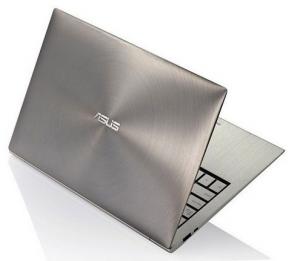
Update: The first Ultrabooks from PC makers are expected before the end of this year, but Intel plans for the laptops to accept payments from devices storing PayPass next year, Intel’s George Thangadurai, general manager of PC client services division, told NFC Times. The Intel-powered devices will be able to eventually accept payments from other contactless brands, as well. End update.

It’s a major development for using NFC phones and contactless cards for online shopping, backed by the world’s largest chip maker and the No. 2 payment network.

To date, Sony and a number of other Japanese laptop makers have enabled consumers to tap to make some types of payments with cards or wallet phones supporting Sony’s FeliCa contactless technology, which is similar to NFC. The service is only available in Japan, however.

“MasterCard is constantly working to improve the shopping experience for consumers and merchants,” Ed McLaughlin, MasterCard's chief emerging payments officer, said in today's announcement. “The collaboration with Intel will deliver enhanced security and faster checkout–with the convenience of a simple click or tap.”

Update: McLaughlin told NFC Times that MasterCard and Intel could later work together to support payment on a range of other devices, including larger PCs, smartphones, tablets, intelligent TVs, game consoles and TV set-top boxes.

“All these devices could be commerce devices,” he said. “This will allow us to collaborate over many years.” End update.

Intel reportedly began incorporating its Identity Protection Technology into chipsets for some PCs shipping this summer, including devices from Hewlett-Packard and Lenovo.

The technology offers a type of two-factor authentication that would be much more secure than the usernames and passwords used on most shopping sites, such as Amazon.

Intel chips supporting the technology could crunch algorithms that create a special code used for each transaction. This algorithm would reportedly be combined with a unique number assigned to the particular PC the consumer is using to buy online to create the purchase codes, which would be recognized by the Web merchant.

Every time the consumer makes future purchases on that site with the same computer and enters his username and password, the Web merchant would be able to authenticate the user via the chip on the PC. This chip authentication is the second factor of authentication, and doesn't require the consumer to carry around any USB tokens or hand-held card readers. MasterCard's authorization system would support this two-factor security system.

Web shopping sites, however, would also have to support the technology, which could limit the reach, at least for some time to come.

But Intel appears intent on tapping in on the growing e-commerce market, which the chip maker and MasterCard notes accounted for more than $176 billion in sales last year in the United States. 

“Our goal is to enable users of Ultrabook devices and future generations of Intel-based PCs to enjoy the convenience of e-commerce while making online payments safer from malware and hackers with the advanced security capabilities of Intel Identity Protection Technology,” Thangadurai said in a statement. “Online commerce is a key focus area for Intel, and through this partnership with MasterCard, we intend to deliver an innovative, personalized and safer e-commerce experience to consumers.”

In addition to being thin and light, Ultrabooks will be designed to offer long battery life and quick boot-up times. They will be similar to the MacBook Air from Apple, though Intel reportedly also sees them as competitors to tablet computers.

In a separate announcement today, Sony and access-control vendor HID Global said they have jointly developed a contactless smart card reader that embeds secure access control and NFC functionality into laptops and other mobile devices.

The readers have a secure element that stores cryptographic keys to authenticate users for physical access control along with transit fare collection, loyalty and payment, said the companies.