HEADLINE NEWS
Fed Consumer Survey Shows Security Concerns Biggest Barrier to Adoption of Mobile Payments

Only 12% of respondents to a recent U.S. Federal Reserve Board consumer survey said they had made a mobile payment within the previous 12 months, though 25% said they were interested in using their phones as a mobile wallet.
The online survey was conducted for the consumer research section of the Fed, the U.S. banking regulator, in December and January. It found that 47% of respondents who said they had used their phones to make a payment did so to pay a bill online. In addition, 36% said they made a purchase online and 21% said they also had made a peer-to-peer payment with their phones.
The biggest reason respondents gave for shunning mobile payments were security concerns, cited by 42% of the 1,780 people who responded to that particular question on the survey. But 37% also said they do not see any benefit from using mobile payments and 36% said they believe it is easier to pay with other methods.

Also, 31% responded that their phones lack the necessary features to do mobile payments and 20% indicated they don't trust the mobile technology to “properly process payments.”
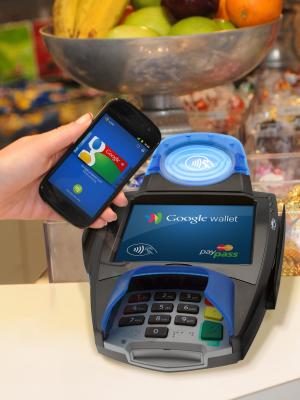
The authors of the report, Consumers and Mobile Financial Services, noted in their introduction that Google had launched its NFC-enabled mobile wallet in September of 2011 and that “many other firms—including mobile phone carriers, credit card issuers, and payment networks—are investing in mobile wallet technology.” But NFC-based payment does not register in the survey responses.
UPDATE: Mobile-payments backers, including such over-the-top players as Google, need to make a more cogent argument in favor of the benefits of the technology and to answer consumers' security concerns, U.S.-based mobile-commerce analyst and consultant Cherian Abraham told NFC Times. “Without it, once we get past the flurry of activity that we find ourselves in today, we are going to find mobile payments stuck, inevitably, in the trough of disillusionment, joining every other technology that once thought it was infallible.”
He added that mobile-payments promoters shouldn't overlook unbanked and underbanked consumers. According to the Fed report, nearly 29% of the underbanked with phones said they used mobile banking during the previous 12 months and 17% conducted mobile payments. That usage rate of phones to make payments is above the 12% overall rate that the survey found, Abraham points out. END UPDATE.
When asked what types of mobile payment and related applications they’d like to use their phones for, nearly half, or 48%, responded they’d be interested in comparing prices while shopping. And about a third said they would like to receive location-based offers and promotions, while 31% also expressed an interest in receiving and managing discount offers and coupons on their handsets.
Respondents also said they would like to use their phones as a mobile wallet to pay at the point of sale. While the authors considered that to be “limited interest,” they noted it would double usage as it now stands.
The survey, conducted for the Fed by online consumer research company Knowledge Networks, had a total of 2,290 respondents, out of nearly 3,400 the firm solicited by e-mail from its database of 50,000 persons selected from randomly sampled households. The firm conducted the survey between Dec. 22, 2011 and Jan. 9.
One survey question mentioned Google Wallet, though likely referred to the online payment feature in the wallet. The question asked how respondents make their mobile payments.
Nearly two-thirds said they entered their credit, debit or prepaid card number into a mobile phone keypad, and 45% indicated they made the payment directly from their bank account, while 22% said they paid through Paypal, Google Wallet or iTunes. The Google Wallet reference would have been to Google Checkout, the Web giant’s online payment service that it merged with the NFC-based wallet in November.