HEADLINE NEWS
DeviceFidelity Relaunches Moneto after Suspension

DeviceFidelity relaunched its direct-to-consumer microSD mobile-payment product moneto, Tuesday, following suspension of the product earlier this summer.
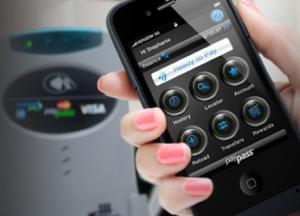
The U.S.-based vendor, which supplies microSD cards with built-in antennas for non-NFC enabled Android and BlackBerry phones, and an NFC case for the iPhone, said the new moneto mobile wallet and hardware package offers additional features.
That includes more memory storage in the microSDs for Android phones–4 gigabytes versus 1GB before. About 10 non-NFC-enabled Android phones now can be used with the microSDs, which require a booster antenna in the inside back cover to increase the read range. A new case for the iPhone has an extra battery for extended power.

DeviceFidelity originally launched moneto, which stores a prepaid MasterCard PayPass application and account, in January.
But the company suspended new applications around July, after the bank handling the prepaid funds and issuance, University National Bank, parted ways with the processor and prepaid program manager for the service, TransCard. Existing moneto accounts were stopped Aug. 16.
DeviceFidelity continues to work with TransCard for the program. Besides tapping to pay, the vendor said consumers can now use the payment app to transfer money on a peer-to-peer basis.
The new NFC-enabled iPhone case costs $79.96, which includes an extended battery, or $59.95 for the original iPhone case, both called iCaisse. The moneto 4GB card for Android phones costs $29.95, which includes the booster antenna sticker. The packages include $10 in preloaded value and a prepaid debit MasterCard card, which enables users to access ATMs.
DeviceFidelity’s main sales focus for its In2Pay products, however, is not the direct-to-consumer market but banks and other service providers and mobile operators.
As NFC Times reported recently, there are questions about the marketability of the products, including the cost, and the issuing and business models for banks, along with some questions about usability and the technology, based on critiques of trial results.
One of the main benefits for banks in using the technology is that they can control the secure element storing their applications. That secure element or chip is part of the microSD cards they would issue.
Polish Bank Trials Technology
Among other banks, that feature has gotten the attention of ING Bank Slaski of Poland, which has launched perhaps the most recent trial of the technology.
The bank began the trial in July with 200 employees, using the BlackBerry 9780 and the latest iPhone and cards storing a Visa payWave application, Marcin Giżycki, bank executive director at ING Bank confirmed to NFC Times, through a spokeswoman.
The trial participants can tap to pay at 70,000 merchant terminals that support payWave in Poland, and payWave terminals elsewhere.
"The SIM-centric solution is not yet a standard, so the bank wants to test another possibility of NFC payments," said the spokeswoman.
In fact, NFC SIMs that support the single-wire protocol are standardized through such organizations as the European Telecommunications Standards Institute and GlobalPlatform. MicroSD cards, on the other hand, are not standardized.
But the spokeswoman added that using microSDs doesn’t require any involvement from mobile operators.
A number of other banks have trialed the microSD technology and the Isis telco joint venture is expected to use it to give the iPhone an NFC interface following the launch of its trials planned for this summer.